
Eco-Friendly Home Insurance Guide (May Include Progressive)
Sustainable upgrades can change the way you should review home insurance—especially when you add solar panels, smart leak sensors, upgraded electrical systems, or higher-value equipment. This guide explains what eco-conscious homeowners should compare on quotes (coverage limits, deductibles, endorsements, and documentation) so you can protect your home without relying on assumptions. Coverage availability varies by state and provider.
Use the ZIP-based forms below to start with a baseline comparison, then verify how upgrades are handled in the policy details. If you want your comparison set to include Progressive, you can begin with Progressive quote comparison guide.
Coverage Checks for Sustainable Homes
Eco upgrades may increase rebuild cost or add equipment that should be listed correctly. When comparing quotes, confirm how the policy treats solar panels, smart devices, upgraded materials, and specialized systems. Some providers may offer eligibility-based credits or endorsements, but details vary—so verify what your quote includes.
Want a baseline first? Start with a standard home quote configuration, then add eco features consistently across providers so the comparison stays fair.
Get Auto Insurance Quotes
Compare quote estimates by ZIP code using the same limits and deductibles for fair results.
Get Home Insurance Quotes
Compare home quote options and verify how upgrades are handled in the coverage details.
Upgrades to Document and Verify
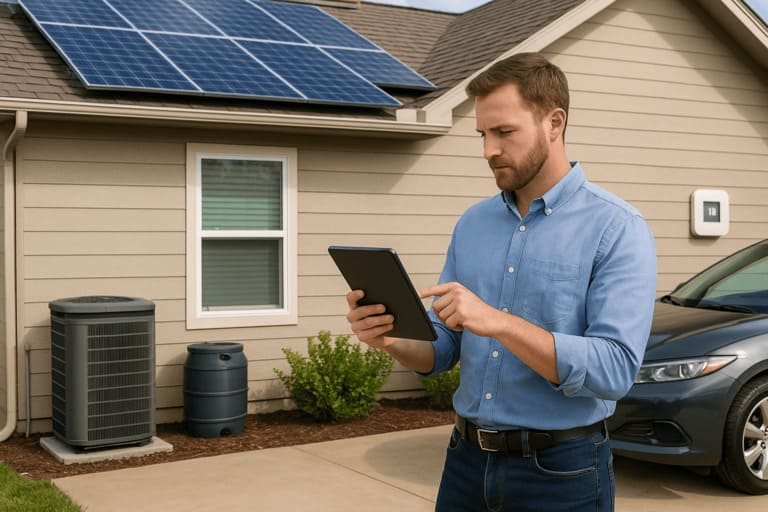
If you’ve installed solar panels, battery storage, upgraded insulation, or smart water-leak protection, keep documentation organized. Some policies may require listing certain items, while others treat them as part of the structure or separate equipment. The key is accuracy: make sure the quote reflects real rebuild cost and the equipment you’ve added.
If you also drive a hybrid or electric vehicle, treat auto and home as separate comparisons first, then check bundle totals where available. EV-related considerations are covered here: EV coverage guide.
Eco-Related Discount Categories (Eligibility Varies)
Some providers may offer eligibility-based credits for safety or risk-reduction features (for example, monitored alarms, leak sensors, updated wiring, or other improvements). “Green discounts” are not universal, and terms vary—so compare what is actually listed in your quote and policy documents.
| Upgrade | What to Verify | Why It Matters |
|---|---|---|
| Solar panels / battery | Whether treated as part of dwelling or separate equipment | Affects limits, deductibles, and claim documentation |
| Smart leak sensors | Any safety-device credits or requirements | Can reduce loss risk; terms vary by provider |
| Updated wiring/roof | Update year and materials reflected correctly | Major driver of pricing and eligibility |
| Efficient appliances | Whether special limits apply for equipment | Helps avoid underinsuring high-value systems |
Comparing Rates Safely
To compare fairly, use the same deductible and coverage limits first, then confirm what each quote includes for upgraded systems. If you want another comparison reference, use this page as a starting point: insurance comparison reference.
Frequently Asked Questions
Do eco upgrades change my home insurance?
They can. Upgrades may increase rebuild cost or add equipment that needs correct limits. Verify how upgrades are treated on the quote details.
Are “green discounts” guaranteed?
No. Discount availability varies by provider, state, and eligibility. Compare what is actually listed on your quote and policy documents.
Does coverage differ for mobile or seasonal homes?
Coverage types and eligibility can differ by property type and location. For seasonal-use considerations, see
seasonal home coverage guide.
How should I compare insurance rates?
Compare multiple providers using the same baseline settings, then review coverage terms and exclusions before choosing.
In summary: Eco-friendly homeowners get the best results by documenting upgrades, matching baseline coverage across quotes, and verifying how equipment and rebuild cost are handled in policy details.